Water resistant and waterproof
Published test methods for water repellency and penetration exist and are used across the textile trade. No listing in this catalog cites one, states a rating, or explains which of the two words it has chosen.
6 of the 66 listings in this catalog use it
01What the word says
What the word says
Six listings use a water word. Two say waterproof, four say water resistant, and none of the six explains the difference or attaches a figure to either. In ordinary trade usage the two words are not synonyms: resistant implies that water is shed for a while under some conditions, and proof implies that it is kept out. Nothing in these listings tells you which condition, for how long, or under what pressure.
Methods exist. Textile bodies publish spray tests, hydrostatic head tests and penetration tests, and a laboratory can run any of them and produce a number. That number is what would separate the two words. In this catalog the number is absent in all six cases, so the difference between waterproof and water resistant here is a difference in copywriting rather than in construction.
One thing is worth crediting. The two listings that use waterproof are molded closed-cell foam products with no lining and no seam, and on that construction the strong word is at least plausible: there is nowhere for water to be held and nothing for it to soak through. On a lined textile upper the same word would need a great deal more evidence, and none of the four listings that use the weaker word is a textile upper anyway.
02What nobody promises
What nobody promises
- No listing here states a hydrostatic rating, a spray-test grade or an immersion depth.
- No listing cites a test method, a laboratory or a standard for either water word.
- No listing says how long any water resistance lasts or whether it survives cleaning.
- Seams, linings and closures are not addressed by any of the six listings.
- Nothing here says a shoe will keep your feet dry, and this site makes no such statement.
03What to look at instead
What to look at instead
- Whether the shoe has seams at all: a molded single piece and a stitched upper are different propositions and the photographs show which is which.
- Whether a lining is named, since an unlined shoe has nothing to hold water once it gets in.
- Which of the two words the seller chose, since choosing the weaker one on a wet-use product is informative in itself.
- Whether the same listing states machine washable, which tells you the seller expects the product to get thoroughly wet.
- Drainage: perforations and channels are visible in the product images and appear in no listing text here.
Sources for this page
Sources (3)
The 6 listings that use it
Every listing in this catalog whose text or product name carries this word. Nothing here is ranked and nothing here is recommended.
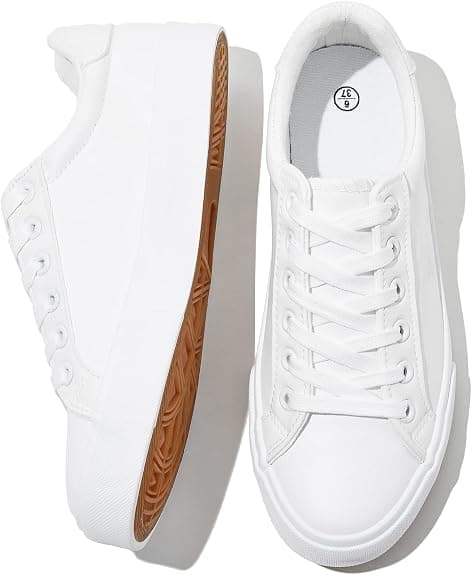
Two voluntary words in one line
SERNIAL White PU Leather Sneakers
BasisWater resistant and slip resistant both appear here; each has a published test method somewhere in the world, and the listing cites neither.
The listing states water resistant and slip resistant construction that is easy to clean.
Claim words in this listing: 2
Closure statedNo closure stated
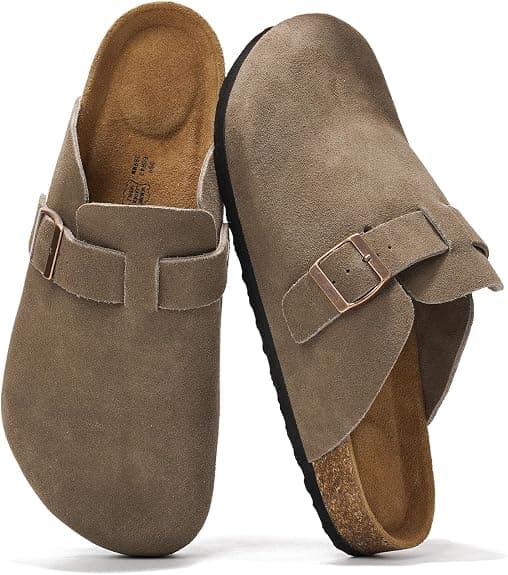
Four claim words, one listing
Project Cloud Brooklyn Leather Clogs
BasisArch support, memory foam, non-slip and water-resistant all appear in this single sentence, which is the highest count in the catalog.
The listing states full grain genuine leather, a memory foam insole, arch support, a natural cork footbed and non-slip water-resistant construction.
Claim words in this listing: 4
Closure statedNo closure stated
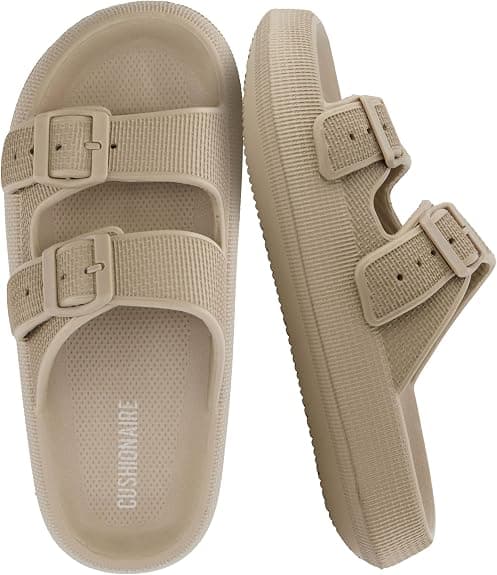
CUSHIONAIRE Fame Recovery Sandals
The listing states an adjustable double buckle and waterproof EVA cloud slides.
Claim words in this listing: 1
Closure statedBuckle
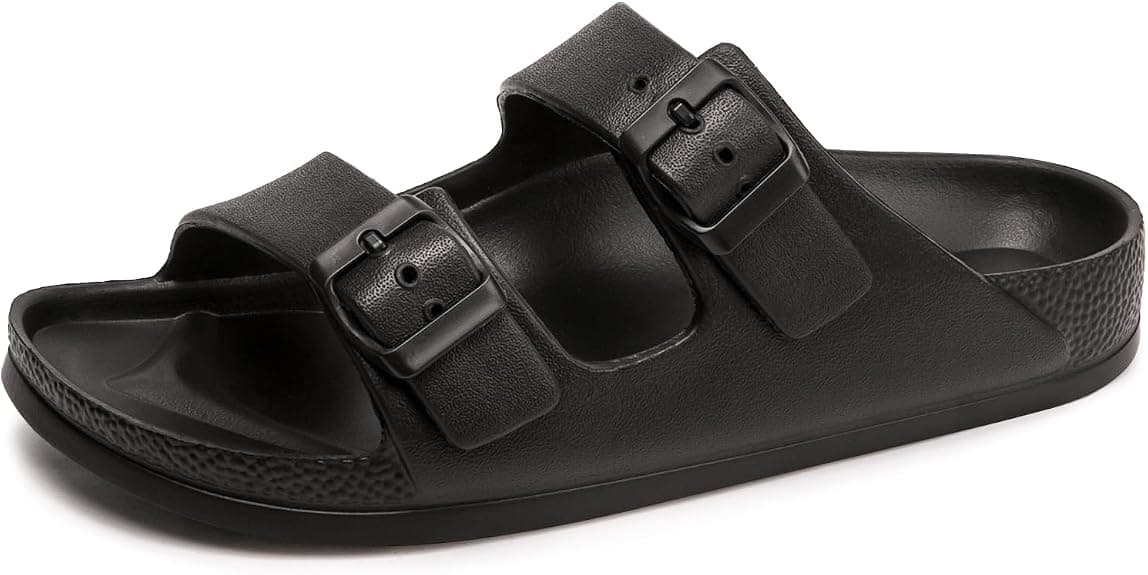
FUNKYMONKEY Comfort Slides
The listing states an adjustable buckle, arch support and waterproof non-slip construction.
Claim words in this listing: 3
Closure statedBuckle
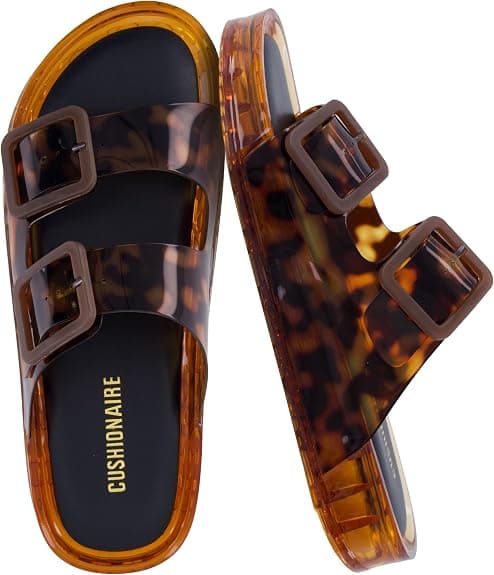
CUSHIONAIRE Pool Slides
The listing states water resistant construction and a double buckle.
Claim words in this listing: 1
Closure statedBuckle
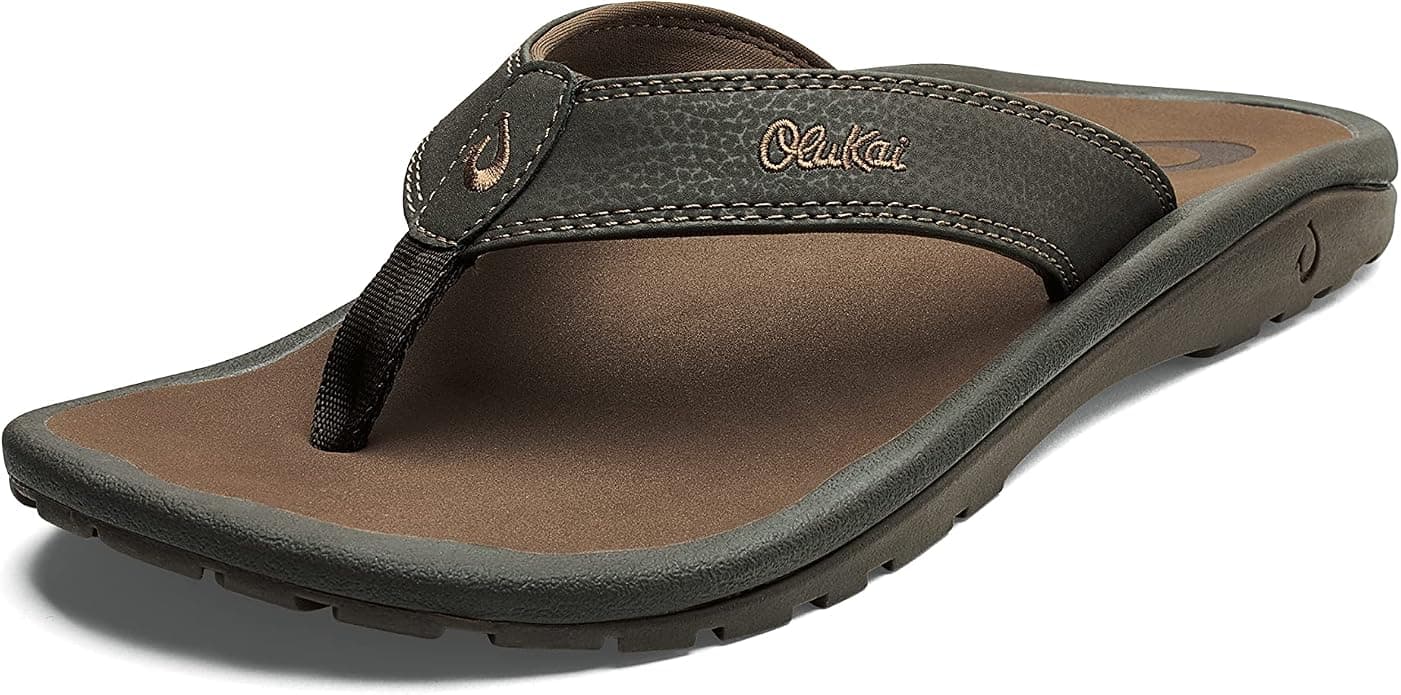
Water words on a flip-flop
OluKai Ohana Sandals
BasisWater resistant and traction for wet surfaces both appear here, and neither arrives with a test or a figure.
The listing states water resistant flip flops with arch support and traction for wet surfaces.
Claim words in this listing: 2
Closure statedToe post